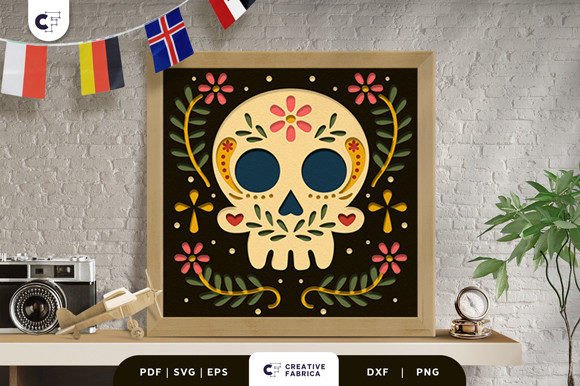
Sugar Skull 3D Light Box Papercut Review
As a designer who constantly bridges the gap between digital assets and tangible textiles, I approach every new file with a specific question: will this actually stitch out beautifully, or is it just a pretty picture on a screen? When I first opened the Sugar Skull 3D Light Box Papercut file, my immediate reaction was one of cautious admiration. Originally categorized under Countries and designed as a 3D SVG for paper crafting, this design captures the intricate, celebratory essence of Dia de los Muertos with stunning precision. However, translating a papercut shadow box concept into a machine embroidery design requires a critical eye. The layers that create depth in paper must be reimagined as thread density and fabric interaction to avoid a stiff, bulletproof result on cloth.
The visual personality of this Sugar Skull 3D Light Box Papercut is undeniably striking. It possesses a folk-art elegance that feels both traditional and modern. For an embroidery project, the intricate floral motifs and geometric symmetry offer a rich canvas for thread play. Unlike generic skull designs, this asset carries a cultural weight and artistic sophistication that elevates it above standard holiday clipart. It feels like a premium design asset that could anchor a boutique collection or serve as a high-value personalized gift. The challenge, and the opportunity, lies in adapting those papercut layers into stitch types that honor the original depth without compromising the drape of the fabric.
Real-World Application: The Custom Sweatshirt Test
To truly evaluate this design, I mentally placed it onto a real-life commission I frequently receive: a custom apparel piece for a Day of the Dead festival vendor. Specifically, I envisioned this Sugar Skull 3D Light Box Papercut centered on a heavyweight cotton sweatshirt. In a papercut light box, negative space is created by cutting away material. In embroidery, we cannot remove fabric; we must simulate that openness through strategic stitch placement.
For this sweatshirt embroidery scenario, I would treat the outermost "layer" of the skull as a satin stitch border to define the silhouette crisply against the fleece. The inner floral details, which would be separate paper layers in the original SVG, would translate best as fill stitches with varying densities to mimic shadow and depth. Using a tone-on-tone thread palette rather than high-contrast colors would enhance the 3D illusion, making the embroidered patch feel sculptural rather than flat. This approach transforms a digital file into a textured, wearable art piece that customers perceive as high-end handmade product rather than mass-produced merchandise.
Translating Paper Layers to Thread Density
The most critical technical consideration when using this Sugar Skull 3D Light Box Papercut for embroidery is managing stitch density. Papercut designs are inherently dense because they rely on solid shapes. If you digitize or stitch this exactly as drawn without modification, you risk creating a stiff area that pulls on the fabric and breaks needles. As an experienced reviewer, I advise treating this as an applique design foundation where possible.
Consider using fabric pieces for the larger base layers of the skull to reduce total stitch count and maintain garment softness. Reserve your satin stitch and running stitch elements for the fine interior details and borders. This hybrid approach preserves the intricate aesthetic of the 3D SVG while ensuring the finished product remains comfortable to wear. For Etsy sellers and small shop product creators, this distinction matters immensely. A customer who buys a beautiful but unwearable sweatshirt will not return. Balancing visual fidelity with textile physics is what separates professional commercial embroidery from hobbyist attempts.
Fabric Selection and Stabilizer Strategy
Because of the design’s complexity, fabric texture plays a massive role in the final outcome. This Sugar Skull 3D Light Box Papercut demands a stable foundation. I would strongly advise against using this design on stretchy knits, thin sheers, or highly textured terry cloth unless significant modifications are made. The intricate corners and fine lines will get lost in the pile of a towel or distort on a jersey knit.
- Best Fabrics: Woven cottons, canvas, denim, and stable fleece provide the necessary support for detailed fill stitches.
- Stabilizer: Use a cut-away stabilizer for apparel to prevent puckering over time. For tote bag design or home decor items like pillow covers, a medium-weight tear-away may suffice if the fabric is rigid.
- Hoop Size: Always use the smallest hoop size that comfortably fits the design. Excess empty space in the hoop allows fabric shift, which ruins the registration of multi-layered papercut styles.
If you are attempting baby embroidery or items for children, scale the design down significantly and simplify the internal details. Tiny lettering or micro-details from the original 3D SVG will turn into thread nests at smaller sizes. Always prioritize clarity over completeness when resizing.
Commercial Viability for Makers and Sellers
For creative entrepreneurs and digital product sellers, this design offers excellent versatility, provided you respect its origins. As a 3D SVG rooted in specific cultural imagery, it carries inherent value for holiday embroidery and seasonal collections. However, before listing any finished product or digital embroidery file derived from this, you must verify licensing. Ensure you have the right to sell commercial embroidery outputs or modified digital assets.
From a marketing perspective, this design photographs exceptionally well. The simulated depth translates beautifully in printable mockup presentations and social media photography. When photographing your stitched samples, use side-lighting to accentuate the texture of the stitches, reinforcing the "3D" concept even though it is now thread. This visual storytelling helps justify higher price points for custom apparel and personalized gifts. Buyers engage more deeply with products that look tactile and thoughtfully constructed. Whether you are selling at a craft fair or online, presenting this Sugar Skull 3D Light Box Papercut as a premium, culturally respectful interpretation rather than a generic graphic builds trust and brand consistency.
Essential Pre-Stitch Designer Notes
Before you commit this design to a final product, run through this practical checklist. These steps save time, thread, and reputation:
- Test Stitch Mandatory: Never stitch this directly onto a sellable item first. The transition from paper-cut logic to embroidery logic requires verification. Test on scrap fabric similar to your final project.
- Contrast Check: View your digital embroidery file in grayscale before stitching. If the layers disappear in black and white, your thread color contrast is insufficient. The 3D effect relies on value separation.
- Detail Inspection: Zoom in to 100% in your software. Are there gaps between the satin borders and fill areas? Papercut files often have hairline overlaps that cause gaps in embroidery. Adjust pull compensation as needed.
- Wash Test: If this is for a tea towel, apron, or baby item, wash and dry your test swatch. Intricate designs can shrink or pucker differently than the surrounding fabric after laundering.
- Mockup Validation: Create both light and dark background mockups. A design that pops on white might vanish on navy. Confirm visibility across your intended product range.
The Sugar Skull 3D Light Box Papercut is a magnificent starting point for embroidery, rich with cultural resonance and artistic potential. By respecting the differences between paper and thread, and by applying thoughtful technical adjustments, you can transform this digital asset into a stunning, sellable reality. Approach it with patience and technical mindfulness, and it will reward you with a finished product that truly honors the spirit of Dia de Muertos.