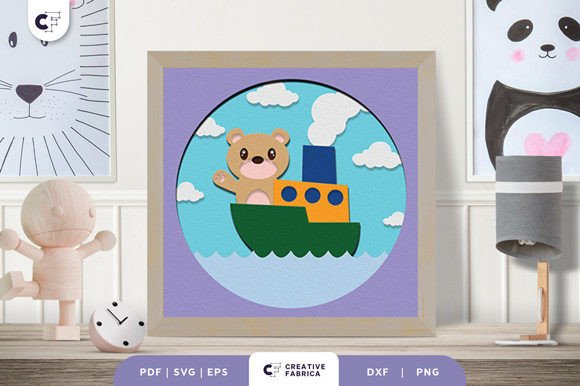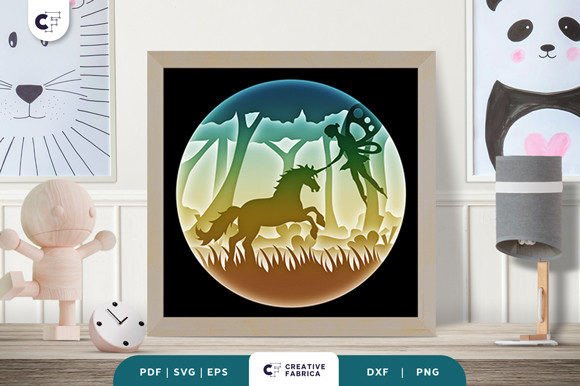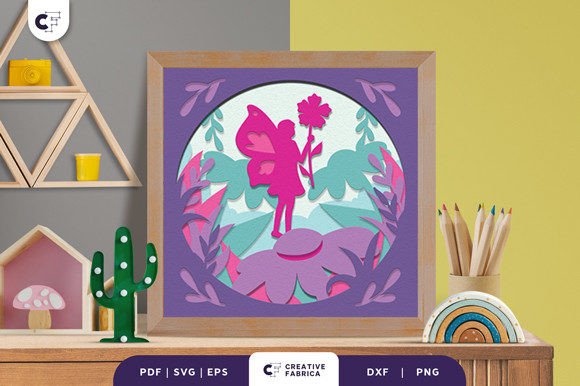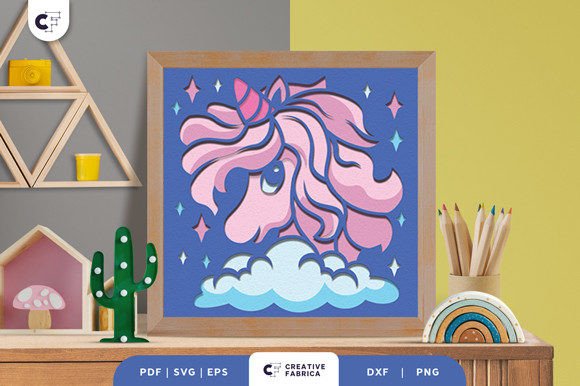
Explore Airplane 3D SVG: Fantasy And Fairy Tales Asset
As a digital publisher and blog designer, I constantly evaluate graphic design assets not just for their aesthetic appeal, but for their utility in a real content workflow. When I first opened the files for the Explore Airplane 3D Shadow Box Papercut, my immediate assessment was focused on its editorial versatility. While categorized under Fantasy And Fairy Tales, this asset transcends simple storybook illustration. It possesses a tactile, layered depth that reads exceptionally well on screens, creating an immediate sense of craftsmanship and wonder.
The visual mood is distinctly playful yet sophisticated. It avoids the flat, generic vector look that often plagues children’s content websites. Instead, the lifelike 3D design suggests texture and dimension, making it feel like a premium digital product rather than a disposable clip art element. For publishers in the parenting, education, or creative DIY niches, this asset signals quality. It tells the reader that the content they are about to consume has been curated with care. This initial impression is vital for reducing bounce rates and establishing immediate trust with an audience seeking high-quality resources.
Editorial Applications Across Digital Platforms
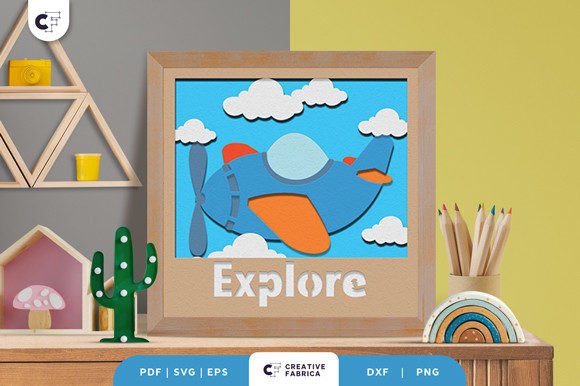
In my publishing workflow, I need assets that can multitask. The Explore Airplane 3D Shadow Box Papercut excels because its composition allows for flexible cropping and scaling. As a website header, the central airplane motif provides a strong focal point without overwhelming navigation elements. The negative space around the shadow box layers is perfect for overlaying headline text, ensuring your H1 tags remain legible against the background.
For social media, specifically Pinterest, this asset is a powerhouse. A Pinterest pin requires vertical impact and instant recognizability at small sizes. The high contrast and distinct silhouette of the airplane ensure that the graphic stops the scroll. I have found that papercut-style visuals perform exceptionally well in the DIY and kids' activity sectors because they promise a tangible result. When used as a featured image for a blog post about aviation crafts or imaginative play, it bridges the gap between digital inspiration and physical creation.
Beyond standard blog graphics, this 3D SVG format opens doors for interactive content. Because it is vector-based, it scales infinitely for printables without pixelation. I envision using this as the cover art for a digital guide on paper crafting or as a decorative element in a lead magnet checklist for parents. In email newsletters, where file size and load speed are critical, the SVG format ensures crisp rendering on retina displays while keeping the email lightweight. This technical advantage directly supports better deliverability and user experience.
Enhancing Visual Hierarchy and Brand Identity
A cohesive brand identity relies on consistent visual language. The Explore Airplane 3D Shadow Box Papercut offers a unique stylistic anchor for websites focused on childhood development, fantasy storytelling, or maker education. Its intricate layering creates a natural visual hierarchy. The eye is drawn first to the airplane, then outward to the supporting shadow layers. This directional flow can be leveraged in web design to guide readers toward call-to-action buttons or affiliate links placed adjacent to the graphic.
From a content marketing perspective, this asset supports higher perceived value. When promoting affiliate products related to model building, books, or educational toys, using custom, high-fidelity graphics like this one increases click-through potential. Generic stock photos often suffer from banner blindness, but a bespoke papercut aesthetic feels like original editorial content. This distinction is crucial for affiliate marketing success, where trust translates directly to conversions. Furthermore, for creators selling their own printable design files or Canva template packs, showcasing this level of detail demonstrates professional competence and justifies premium pricing.
Strategic Placement and Usage Constraints
While versatile, this asset requires strategic placement to maintain its impact. It shines brightest as a hero image, a category thumbnail for craft sections, or a standalone feature in a downloadable resource pack. The depth effect relies on sufficient screen real estate; therefore, it works best in medium-to-large display areas where the shadows can be appreciated.
However, publishers must exercise caution in specific contexts. Avoid using this asset in highly compressed mobile thumbnails where the intricate layers might muddy together. It is also less suitable for serious corporate environments or minimalist tech blogs where the whimsical nature might clash with the brand tone. Additionally, because the design is inherently busy with texture and shadow, avoid placing dense body text directly over it. Always utilize solid color blocks or gradients behind text overlays to preserve readability. In low-contrast dark mode layouts, test the shadow visibility carefully; sometimes, adjusting the opacity or adding a subtle glow is necessary to prevent the design from disappearing into the background.
Publisher Workflow and Technical Checklist
Before integrating the Explore Airplane 3D Shadow Box Papercut into a live site or monetized project, run through this practical validation checklist. These steps ensure the asset performs as intended across all devices and legal frameworks.
- Cross-Device Testing: Preview the SVG on both desktop monitors and mobile phones. Ensure the shadow details remain distinct and do not render as artifacts on smaller screens.
- Typography Pairing: Test the graphic beside various font families. It pairs beautifully with rounded sans-serifs for a modern kid-friendly look, or textured serifs for a storybook vibe. Avoid overly geometric fonts that may feel too sterile against the organic paper texture.
- Contrast Verification: Check accessibility standards. If using the asset as a background, ensure any overlaid text meets WCAG contrast ratios. Use tools to simulate color blindness to guarantee inclusivity.
- File Optimization: Even though SVGs are lightweight, complex papercut designs can contain thousands of nodes. Run the file through an SVG optimizer to remove metadata and simplify paths before uploading to your CMS. This protects your page speed scores.
- Licensing Compliance: This is non-negotiable for professionals. Verify the commercial license terms before using the asset on ad-supported blogs, affiliate pages, or within paid digital download products. Respect the creator's terms to protect your business from liability.
- Thumbnail Legibility: Create a mock-up of the asset at 150x150 pixels. If the airplane shape is unrecognizable at this size, reserve the full design for headers and use a simplified crop for archive pages or sidebar widgets.
- Contextual Relevance: Ensure the fantasy element aligns with your article's intent. If reviewing a technical aviation manual, this whimsical style may mislead readers. Reserve it for content celebrating imagination, play, and artistic expression.
Final Thoughts on Creative Design Assets
The Explore Airplane 3D Shadow Box Papercut represents a valuable addition to any digital publisher's library. It solves a common problem in the family and education niche: finding visuals that are engaging for children yet polished enough for adult decision-makers. By treating this creative design asset as a core component of your editorial strategy rather than mere decoration, you elevate the entire user experience. Whether you are building a small business branding package, designing a newsletter, or crafting viral social media graphics, the tactile charm of this 3D papercut style delivers measurable engagement. Just remember to prioritize technical performance and licensing compliance to ensure your creative vision remains sustainable and professional in the long term.