Alphabet Robot Letter Z 3D Shadow Box Review
First Impressions: Translating Paper Craft Logic to Thread
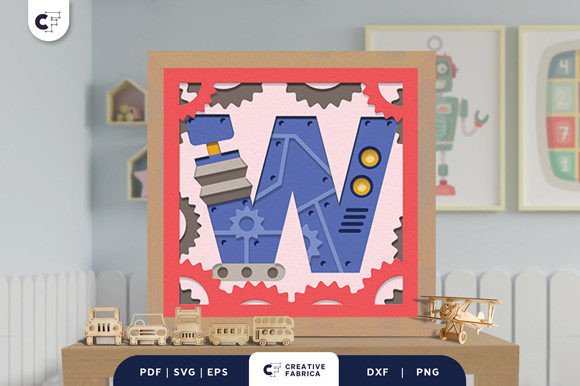
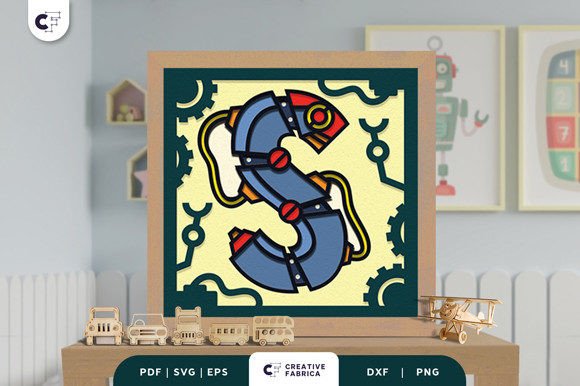
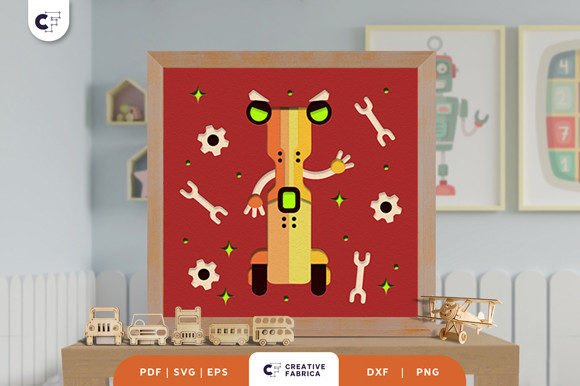
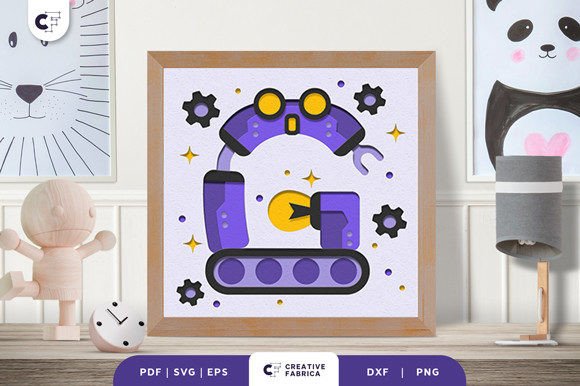
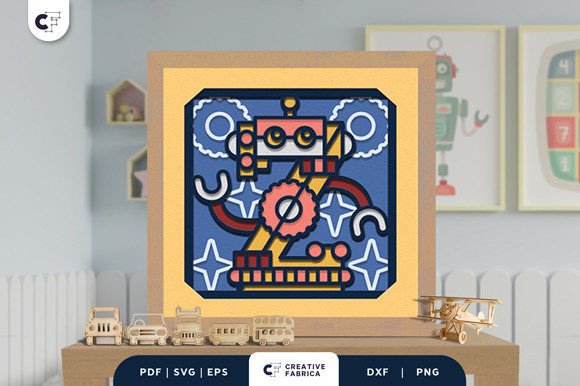
As a designer who constantly bridges the gap between digital assets and tangible textiles, I approach every new file with a healthy dose of skepticism. When I first examined the Alphabet Robot Letter Z 3D Shadow Box, my immediate thought was about translation. This asset is originally categorized as a paper craft product showcasing a playful robot toy design, intended to form layers for a kid’s project. However, for those of us in the machine embroidery design space, specifically targeting the birthday market, this layered aesthetic offers a unique blueprint for stitched dimension.
The visual personality of this design is undeniably retro-futuristic yet soft enough for children's merchandise. The "shadow box" concept implies depth, which in embroidery terms usually translates to heavy layering or appliqué. Unlike standard flat alphabet files, this design demands that we think about fabric texture as a structural element. It does not look like a generic font; it looks like a character. For an Etsy seller or small shop owner, this distinction matters. Customers are tired of seeing the same block letters on every personalized gift. They want items that feel engineered and bespoke. My initial assessment is that this design has high potential for custom apparel and nursery decor, provided the digitizer respects the original layered intent without creating a bulletproof vest of thread density.
Real-World Application: Stitching a Custom Birthday Sweatshirt
To truly evaluate this asset, I mentally placed it into a current client request: a custom embroidered sweatshirt for a child’s fifth birthday. The client wanted something gender-neutral, durable, and distinctly handmade. Here is where the Alphabet Robot Letter Z 3D Shadow Box proves its worth beyond the screen.
In this scenario, I would treat the design as an applique design rather than a full fill stitch. Using the 3D SVG source as a guide for color blocking allows me to select contrasting fleece or cotton fabrics for each "layer" of the robot. This reduces stitch count significantly while increasing tactile value. On a sweatshirt, a fully dense letter Z of this complexity could cause puckering or stiffness. By utilizing fabric layers held down by running stitches and satin stitch borders, the finished product remains soft against the skin—a non-negotiable factor for baby embroidery and kids' custom apparel.
From a business perspective, this approach increases perceived value. A customer understands that multiple fabrics and precise alignment went into the piece. It elevates the item from a simple monogram to a boutique-grade graphic. Furthermore, because the design originates from a shadow box concept, it photographs exceptionally well for printable mockups and social media listings. The inherent depth catches natural light, making your digital product previews pop in an Etsy feed crowded with flat, matte images.
Navigating Technical Constraints and Fabric Choices
While the aesthetic is charming, practical execution requires caution. Not every substrate can handle the architectural nature of a 3D-inspired embroidery file. Through years of testing commercial embroidery projects, I have learned where designs like this thrive and where they fail.
- Avoid Stretchy Knits Without Proper Support: If you attempt this on a thin ribbed knit or lightweight jersey without adequate stabilizer, the weight of the layered appliqué will distort the garment. The robot will look warped after the first wash.
- Curved Surfaces Are Risky: I would advise against using this specific design on caps or curved sleeves. The rigid geometry of a shadow box style letter clashes with the curve of a hat brim, leading to registration errors between layers.
- Small Hoop Sizes Limit Detail: While resizing is often possible, shrinking this design too much for a 4x4 hoop size may cause the internal details of the robot face to become muddy. Satin stitches need minimum width to anchor properly; go too small, and you risk thread breaks or a loss of definition.
- Dark Fabrics Require Planning: On dark backgrounds, ensure your underlay is sufficient to prevent the base fabric from showing through lighter appliqué pieces. Conversely, on white fabrics, verify that darker thread colors won't bleed or shadow through lighter top layers.
For tote bag designs and tea towels, this file is generally safer due to the stability of woven cottons. These items also serve as excellent canvases for holiday embroidery or personalized gifts where durability is key.
Designer Notes: Ensuring Professional Results
Before you load this digital embroidery file into your machine for a paid order, run through this professional checklist. These steps separate hobbyist attempts from professional craft business outputs.
- Verify Licensing and Specs: Since the product description highlights this as a paper craft/3D SVG, confirm explicitly that you have purchased a version digitized for embroidery or possess the license to digitize it yourself for commercial sale. Never assume a vector file includes stitch data unless specified.
- Test Stitch Density: Run a sample on scrap fabric identical to your final project. Check the back of the embroidery. If the stabilizer is tearing or the fabric is tunneling, adjust your density settings or add a layer of cut-away stabilizer.
- Thread Color Contrast Check: View your thread palette in black and white before stitching. If the values are too similar, the 3D shadow effect will vanish. The success of this design relies entirely on value contrast between layers.
- Inspect Small Details: Zoom in on the digitizing software or previewer. Are the eyes and mouth distinct? If they are tiny satin columns, consider replacing them with safety eyes post-stitching or simplifying them to ensure clarity in the finished product.
- Mockup Realism: Use realistic textures in your digital previews. Showing this design on a flat white background doesn't do it justice. Place it on a textured sweatshirt mockup to demonstrate how the layers interact with fabric grain.
Elevating Brand Value Through Thoughtful Design
Ultimately, incorporating the Alphabet Robot Letter Z 3D Shadow Box into your catalog signals to buyers that you curate unique design assets. In a saturated market of handmade products, specificity sells. This isn't just a letter; it is a themed experience that fits perfectly into birthday parties, nursery themes, and educational toys.
When customers see that you have adapted a complex, layered concept into a wearable or usable format, trust increases. They recognize the effort involved in aligning appliqué pieces and managing stitch density. Whether you are creating an embroidered patch for a backpack or a keepsake blanket, respecting the integrity of the original 3D design ensures your work stands out. Always prioritize the longevity of the stitch-out over speed. A well-executed robot letter becomes a cherished heirloom, reinforcing your reputation as a skilled maker and reliable creative entrepreneur.